|
Current
Trends 6
Best Foods to Eat While
Recovering From Sports Injuries
1.Foods that Contain Plenty of
Protein
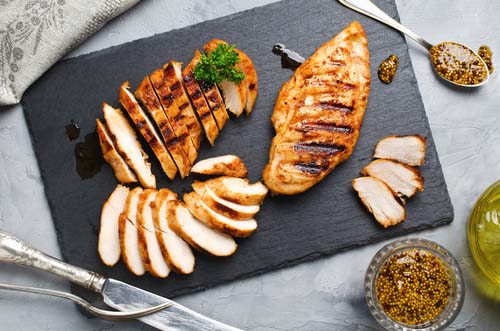
Protein is the nutrient that reinforces
your body’s muscle tissue. When you suffer a sports injury and can’t
maneuver a certain body part, it inevitably loses mass. Eating the
right amount of protein can reduce the risk of losing a significant
amount of muscle mass.
Therefore, you
should focus on eating the right amount of chicken (with the
occasional helping of beef). Fish can also be a major source of
healthy protein. Also, non-meats like beans, tofu, and nuts can be a
steady part of your diet as well.
Protein intake’s
especially important when you begin retraining your body, as it can
improve muscle development. An orthopedist familiar with your
recovery plan can provide specific advice about appropriate protein
intake and how to care for your injury at
home.

2. Fruits and Vegetables With
Vitamin C
One of the main goals during sports injury recovery is reducing
inflammation. This is essential to improving range of motion, and
restoring your body’s original state. Fortunately, Vitamin-C can
help you accomplish that.
Vitamin-C has
anti-inflammatory properties, which can decrease (or prevent)
inflammation. The collagen that vitamin-C produces also improves the
body’s ability to maintain bone, muscle, and tendons. The obvious
place to start is with citrus fruits – such as oranges and
grapefruits. Bell peppers, spinach, broccoli, tomatoes, and kiwi
also have plenty of vitamin C.
3.
Omega-3 Fatty Acids
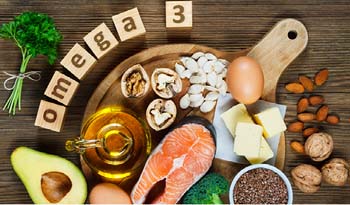
Sports injuries like a sprained ankle can
cause a lot of inflammation in the affected area. Foods with omega-3
fatty acids can help control this inflammation.
If you’re
looking to introduce omega-3 fatty acids into your diet, then foods
like walnuts and chia seeds are the best place to start. Fish
(already rich in protein) contains a considerable amount of omega-3
fatty acids. However, ingesting too many omega-3 fatty acids could
potentially have the opposite effect. Therefore, rather than taking
vitamin or powder supplements, be sure to eat foods that contain
these nutrients.
4. Zinc-Rich Foods
Like
protein, zinc is also instrumental in helping you heal wounded
tissue. And according to nutritional experts and physical
therapists, failing to ingest enough zinc can prolong the healing
process.
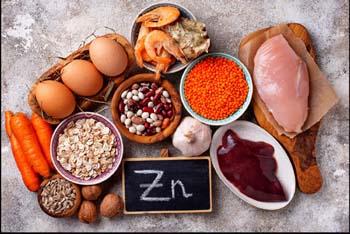
Common examples of zinc-rich foods include meat,
fish, shellfish, and whole grains. Nuts are also a great choice.
However, be sure to stay away from zinc supplements. While
they’re one of the best ways to take in large amounts of zinc, this
can also lead to a copper deficiency. If you’re curious about how to
maintain this balance, contact an orthopedist.

5. Vitamin D/Calcium
Calcium plays a very important role in helping to heal broken bones.
However, it’s also crucial for helping the brain to signal nerves
and contract muscles properly.
Some examples of calcium-heavy
foods include broccoli, almonds, okra, and of course: dairy
products.
While there are few foods that contain
naturally-occurring vitamin-D, it can actually benefit your
recovery. Vitamin-D enhances the body’s ability to absorb and
process calcium for recovery, in addition to helping independently.
Vitamin-D is one of the best methods for natural pain management.
Also, these nutrients can help to prevent sports injuries in
children.

6. Foods Rich in Fiber
In order to recover from injuries
like tears and strains, orthopedists generally recommend keeping the
injured body part immobile. This prevents additional inflammation.
However, throughout the recovery process, it can lead to weight gain
if you’re not careful. Obviously, you can’t hop on a cardio exercise
machine and burn fat with a workout. That’s why consuming
fiber-heavy foods is important.
Fiber-heavy foods will help
you to feel full much faster and prevent you from overindulging.
This will help you control your diet naturally. Also, fiber-heavy
foods often contain plenty of other nutrients.
More Cars
|
|



